In recent years, fashion has undergone a massive transformation. As more people begin to question the environmental impact of their shopping habits, sustainable fashion has emerged as a major trend—one that's here to stay. It is all about choosing clothing that has a minimal impact on the environment, promotes fair labor practices, and lasts for the long haul. It goes beyond just using eco-friendly fabrics; it’s about the entire lifecycle of a garment—from production to disposal.
But how can you build a wardrobe that's both stylish and eco-friendly? Following me, I’ll explore the principles behind sustainable fashion, the impact of fast fashion on the planet, and how to build a closet that’s both trendy and kind to the Earth. Ready to turn your fashion game green? Let’s dive in!
- 🔥 The Hidden Costs of Fast Fashion
- Key Principles of Sustainable Fashion
- 1. Buy Less, Choose Wisely
- 2. Prioritize Eco-Friendly Materials
- 3. Support Ethical Brands
- 4. Embrace Secondhand and Vintage
- 5. Take Care of Your Clothes
- How to Build a Stylish, Eco-Friendly Wardrobe
- 1. Invest in Timeless Pieces
- 2. Focus on Quality Over Quantity
- 3. Mix New with Vintage
- 4. Stick to a Color Palette
- 5. Shop Sustainable Brands
- Conclusion: Fashion with a Purpose
💡Tip: This post may contain affiliate links. We may earn a commission if you make a purchase through these links, at no extra cost to you.
The Hidden Costs of Fast Fashion
While fast fashion may seem like an easy and affordable way to keep up with trends, it comes with a heavy environmental and social price. The industry is responsible for a huge portion of global pollution, water waste, and carbon emissions. The rush to produce cheap clothes means that low-quality fabrics are often used, which leads to garments wearing out after only a few wears. Moreover, fast fashion contributes to a cycle of overconsumption, where consumers are constantly buying and discarding items without much thought about the long-term consequences.
The impact isn’t just environmental—it’s also social. Many fast fashion companies rely on unethical labor practices, exploiting workers in developing countries who are paid poorly and work in unsafe conditions.
Key Principles of Sustainable Fashion
Building a sustainable wardrobe may seem daunting at first, but it’s about making gradual changes to your buying habits and prioritizing quality over quantity. Here are some key principles to keep in mind:
Buy Less, Choose Wisely
The foundation of sustainable fashion is learning to buy fewer items but making sure each one is a quality piece that you’ll wear again and again. Instead of constantly chasing trends, focus on investing in timeless, versatile pieces that will last for years. When you buy fewer clothes, you’re not only saving money in the long run, but you’re also reducing your carbon footprint.
Prioritize Eco-Friendly Materials
Sustainable fashion often involves choosing materials that have a lower environmental impact. Look for fabrics like organic cotton, hemp, bamboo, or Tencel—these materials are produced with less water, fewer pesticides, and lower carbon emissions compared to conventional fabrics like polyester and nylon.
Additionally, there’s a growing movement toward recycled materials. Many brands are now using recycled polyester, nylon, and cotton to create new garments, which helps reduce waste and lessens the need for new raw materials.
Support Ethical Brands
When building a sustainable wardrobe, it’s crucial to support brands that prioritize fair labor practices, ethical manufacturing, and sustainability. Many companies are now adopting transparent supply chains and ensuring that workers are paid fairly and work in safe conditions. By supporting these brands, you’re contributing to a more ethical and responsible fashion industry.
Embrace Secondhand and Vintage
One of the easiest ways to build a sustainable wardrobe is by shopping secondhand or vintage. Not only does buying used clothing help reduce waste, but it also allows you to find unique, high-quality pieces that might no longer be available in stores. Thrift shops, online resale platforms, and vintage boutiques are treasure troves for fashion lovers looking to score stylish, eco-friendly pieces.
Take Care of Your Clothes
Sustainable fashion isn’t just about what you buy—it’s also about how you take care of your clothes. Proper maintenance can significantly extend the life of your garments. Make sure to wash clothes in cold water, air dry them when possible, and invest in quality garment care tools like fabric shavers and repair kits.
How to Build a Stylish, Eco-Friendly Wardrobe
Now that we’ve covered the core principles of sustainable fashion, let’s dive into how you can actually build an eco-friendly wardrobe without sacrificing your style. Here’s how to make it work:
Invest in Timeless Pieces
The cornerstone of any sustainable wardrobe is timeless style. Think classic pieces that never go out of fashion, like a great pair of jeans, a tailored blazer, or a little black dress. These items can be dressed up or down and worn for years to come. Rather than buying into fleeting trends, invest in clothing that reflects your personal style and is versatile enough to adapt to different occasions.
Focus on Quality Over Quantity
When shopping for sustainable fashion, quality is key. Opt for well-made items that use durable materials and feature solid stitching and construction. Quality fabrics like wool, silk, and organic cotton will last longer than fast fashion alternatives and often improve with age, developing character over time.
Mix New with Vintage
Building a sustainable wardrobe doesn’t mean you have to stop buying new clothes altogether. It’s about finding the right balance. You can mix contemporary, eco-conscious brands with secondhand or vintage finds to create a well-rounded wardrobe. Vintage shops are full of one-of-a-kind pieces, and they’re a great way to find unique items that aren’t mass-produced.
Stick to a Color Palette
A great way to make sure your wardrobe is both stylish and eco-friendly is by sticking to a cohesive color palette. This makes it easier to mix and match pieces, creating more outfits with fewer items. Neutrals like black, white, navy, and beige work well for building a versatile wardrobe, but don’t be afraid to incorporate pops of color that reflect your personality.
Shop Sustainable Brands
Some brands have gone the extra mile to incorporate sustainable practices into their designs. Vineyard Vines, for example, offers a wide range of stylish pieces made from eco-friendly materials. From organic cotton shirts to lightweight, recycled fabrics, their collection combines classic style with conscious design. Vineyard Vines also focuses on high-quality, long-lasting garments that align with a sustainable mindset, making it easy to create a wardrobe that’s both chic and environmentally responsible.
Here are some recommended classic styles for you:
Women’s Dress Shop:
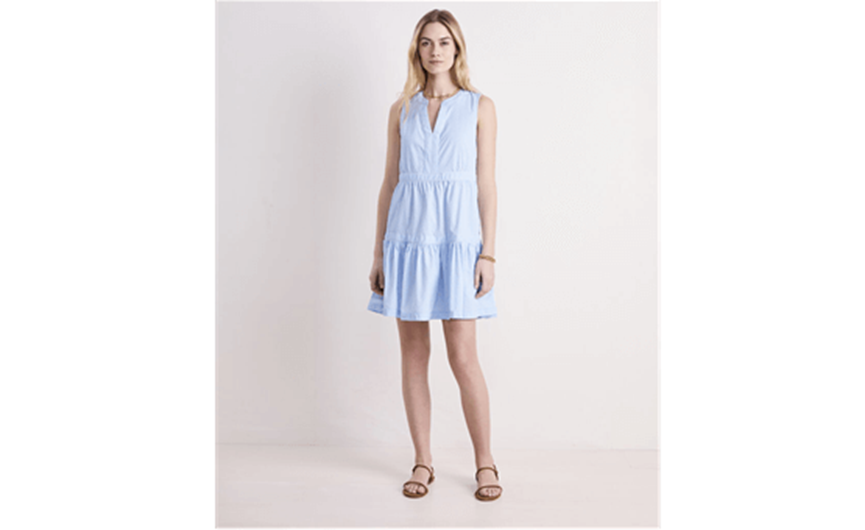
Tilly Harbor Dress: This dress combines effortless style with classic charm. Made from lightweight seersucker fabric, this dress features a flattering tiered design that adds movement and texture. With a soft v-neckline and adjustable straps, it offers both comfort and versatility, making it perfect for everything from casual outings to dressier events. The timeless navy and white stripes add a preppy touch, while the breathable cotton blend ensures all-day wearability.
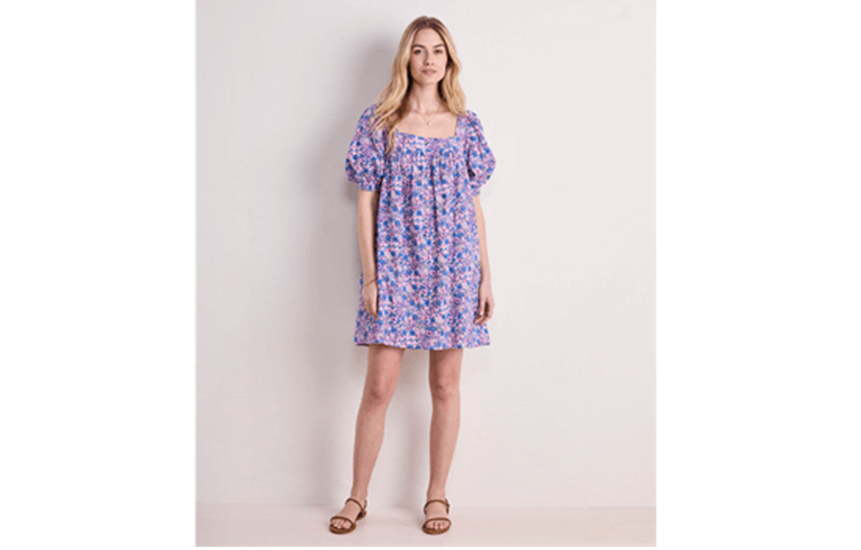
Serena Square Neck Dress: It is a perfect blend of sophistication and ease. With soft, breathable seersucker fabric, this dress features a flattering square neckline and a fitted bodice that flows into a gently A-line skirt. The lightweight cotton blend ensures comfort throughout the day, while the vibrant coral color adds a pop of freshness to your wardrobe.
Men’s Saltwater Quarter Zips:
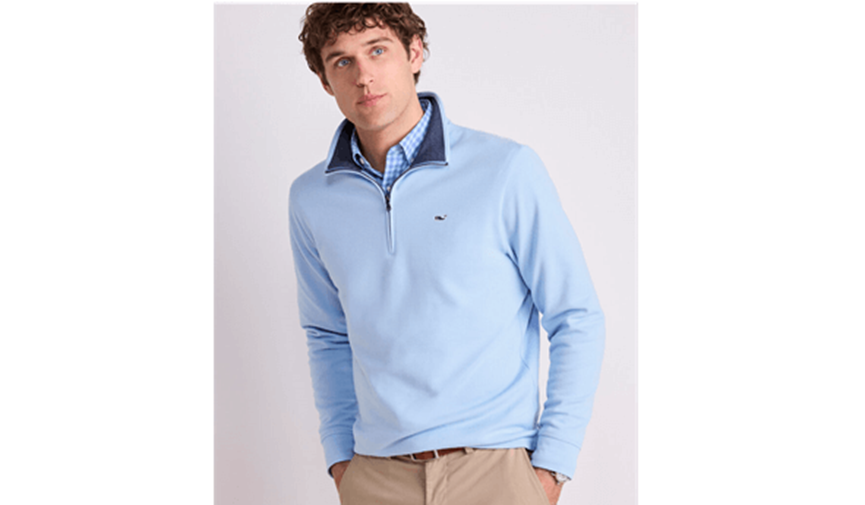
Solid Saltwater Quarter-Zip: The classic top is a versatile, stylish layering piece for any wardrobe. Crafted from soft, breathable cotton, this lightweight pullover offers a relaxed fit with a classic quarter-zip design, making it easy to adjust for comfort. The rich color adds a touch of sophistication, while the ribbed cuffs and hem ensure a secure, comfortable fit. Ideal for casual outings or layering over a shirt for a polished look, this pullover combines comfort with timeless style.
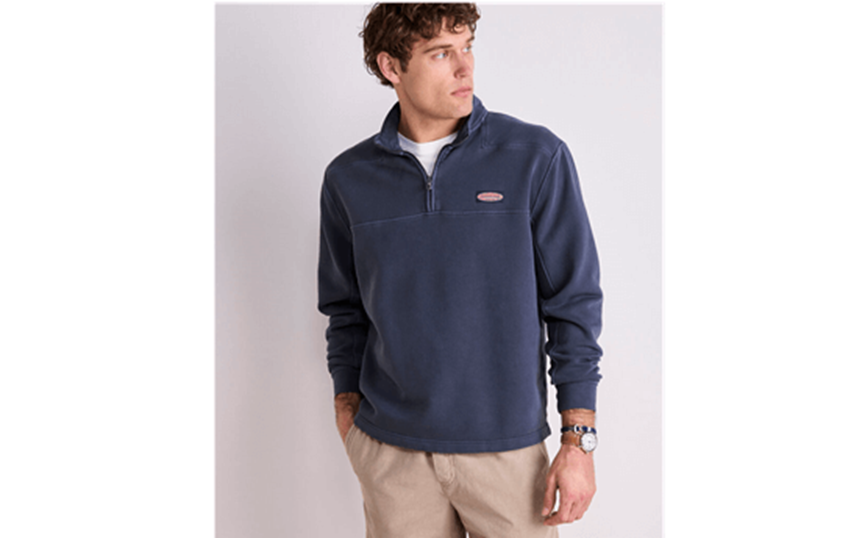
Surf Terry Shep Shirt: In a relaxed, easygoing design, this lightweight pullover is perfect for lounging or a casual outing. Featuring the classic Shep shirt silhouette, it has a quarter-zip closure and a sporty, comfortable fit that allows for easy movement. The textured fabric adds a laid-back, beachy vibe, while the rich color gives it a sophisticated edge.
Kids Featured Styles:
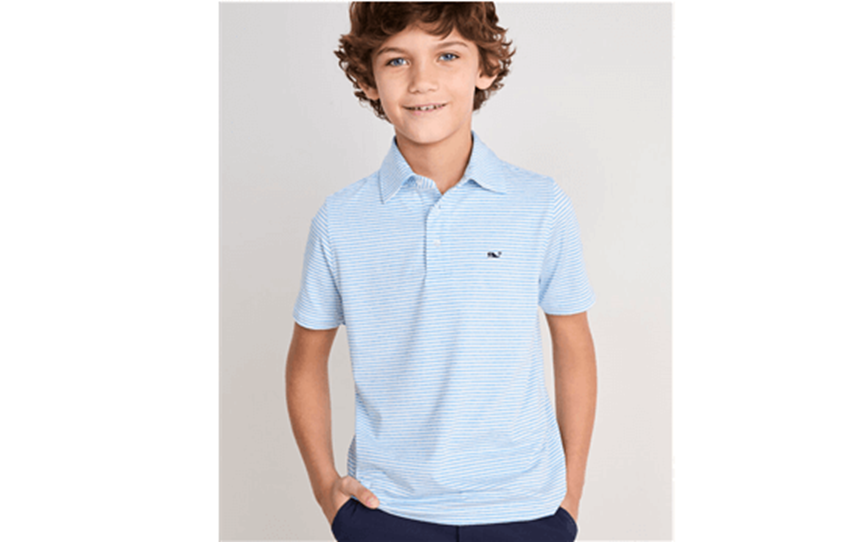
Boys' Bradley Stripe Sankaty Performance Polo: The classic Bradley stripe pattern adds a fun, colorful touch, while the lightweight, breathable material ensures comfort during outdoor activities. With a traditional polo collar and a relaxed fit, this shirt is perfect for everything from school to weekend outings. Versatile and stylish, this is a must-have for any young wardrobe.
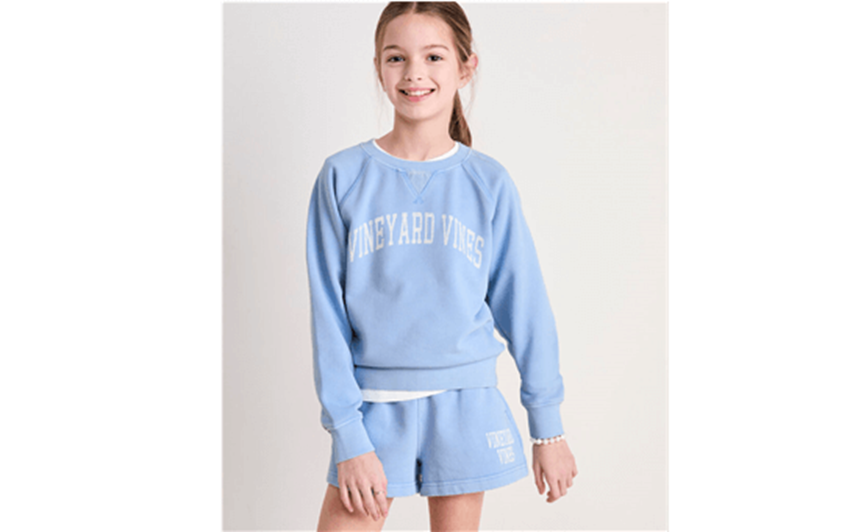
Girls' Raglan Crewneck Sweatshirt: The raglan sleeves provide a relaxed, sporty fit, while the crewneck design adds a timeless touch. The vibrant coral color adds a pop of fun, making it easy to pair with jeans, leggings, or skirts. Whether for school, playdates, or lounging at home, this sweatshirt is an ideal layering piece for any casual occasion, offering both warmth and a chic, laid-back look.
Conclusion: Fashion with a Purpose
Sustainable fashion isn’t just a passing trend—it’s a shift toward a more responsible and mindful approach to how we consume clothing. By making conscious choices about what we buy, where it comes from, and how we care for it, we can reduce our environmental footprint and contribute to a more ethical fashion industry.
The key is to embrace timeless pieces, invest in quality over quantity, and shop smart. Whether you’re buying new or vintage, mixing and matching, or focusing on eco-friendly fabrics, every small decision counts. So, start building your sustainable wardrobe today—because style doesn’t have to cost the Earth.
0 Comments
Your comment is awaiting moderation.